
About BISMiS
Bergey's International Society for Microbial Systematics (BISMiS)
Goals
The purpose of the society is to promote excellent research in microbial systematics as well as enhance global communication among taxonomists who study the Bacteria and Archaea. The society will also serve internationally as an advocate for research efforts on microbial systematics and diversity.
The Trust recognizes that the vast diversity of microbial life is the last remaining major reservoir of unknown biological diversity on Earth. A principal goal of the society is to comprehend this vast but largely unstudied diversity with its untapped genetic, enzymic and industrial potential. A basic aim of the society is to foster efforts to isolate novel microorganisms in pure culture and to describe, name and classify them.
History
Bergey's Manual Trust began considering the idea of an international society to support microbial systematics in 2006-2007. Through the Bergey's Manual Trust web site and Newsletter an online survey was conducted to determine if there was sufficient interest among the community of microbiologists who study the Bacteria and Archaea to form a Society. The results of the survey coupled with a discussion held at the 2008 International Union of Microbiological Societies meeting in Istanbul were highly supportive of the concept. Based on this, the Trust voted to sponsor BISMiS at its annual meeting in 2009.
Bergey's Manual Trust, which is an international Trust of microbial systematists, is an ideal organization to sponsor an international society because it is a non-profit trust [a USA 501(c)3 tax entity] that is devoted to serving the needs of the global community of microbial taxonomists interested in Bacteria and Archaea.
Officers
The current Executive Board comprises of:
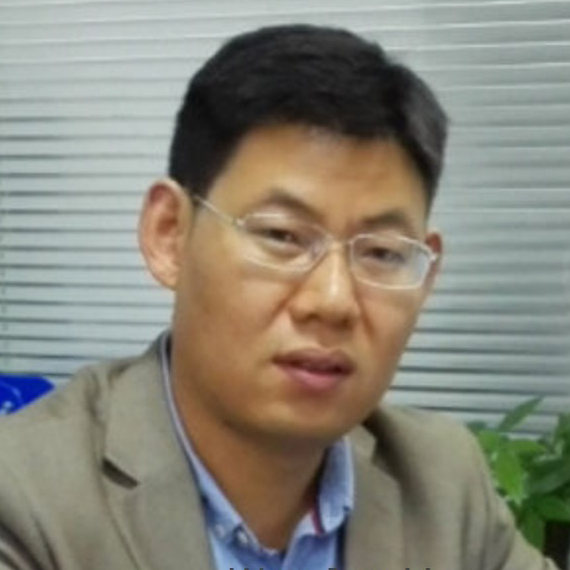
President: Wen-Jun Li, Sun Yat-Sen University, China [liwenjun3@mail.sysu.edu.cn]
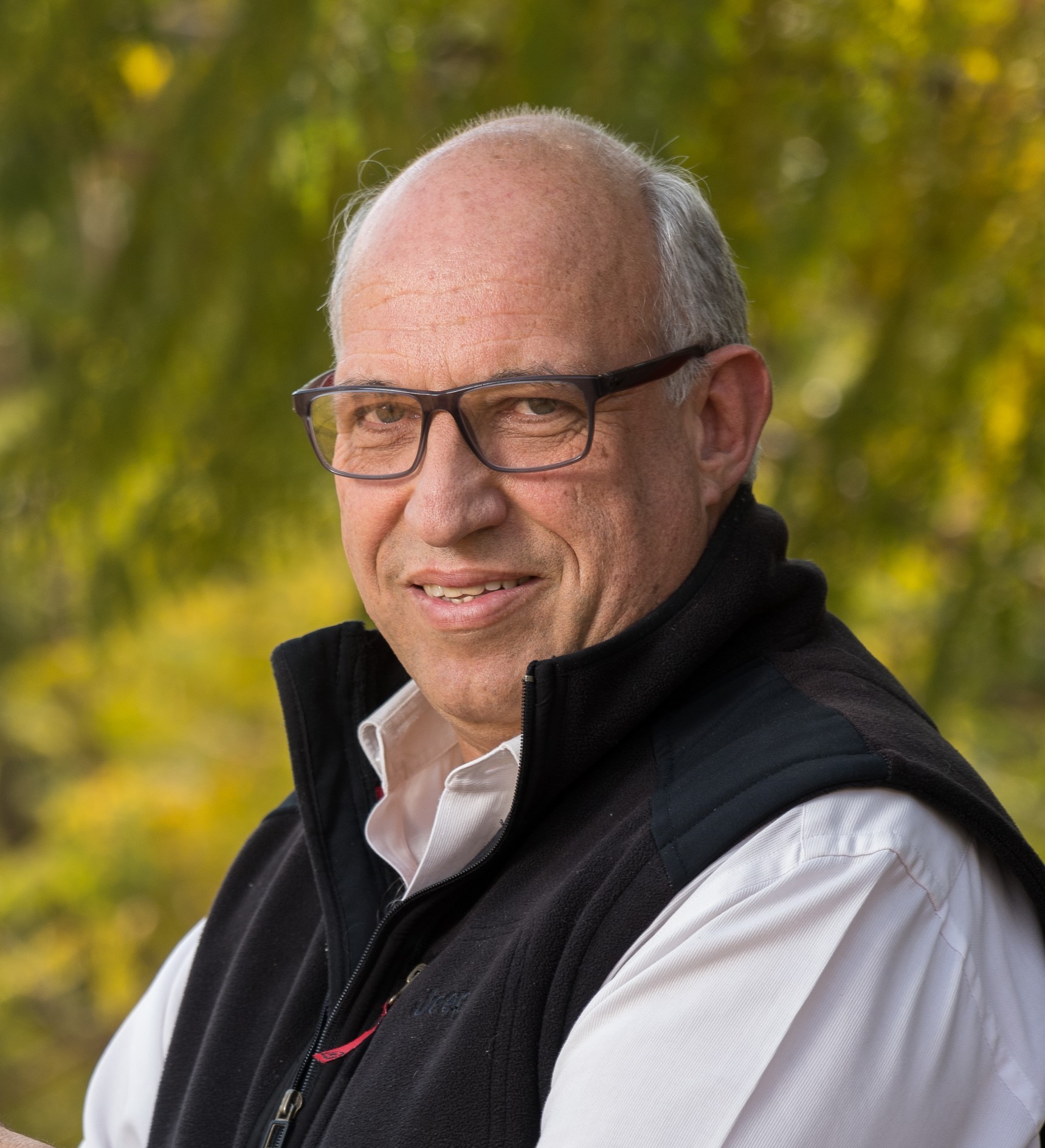
President-elect: Stephanus N. Venter, University of Pretoria, South Africa [fanus.venter@up.ac.za]

Secretary: Wee Fei Aaron Teo, Universiti Malaya, Malaysia [teoweefeiaaron.bismis@gmail.com]

Treasurer: William Whitman, University of Georgia, USA [whitman@uga.edu]

Chair of Bergey’s Manual Trust: Martha Trujillo, Universidad de Salamanca, Spain [mett@usal.es]
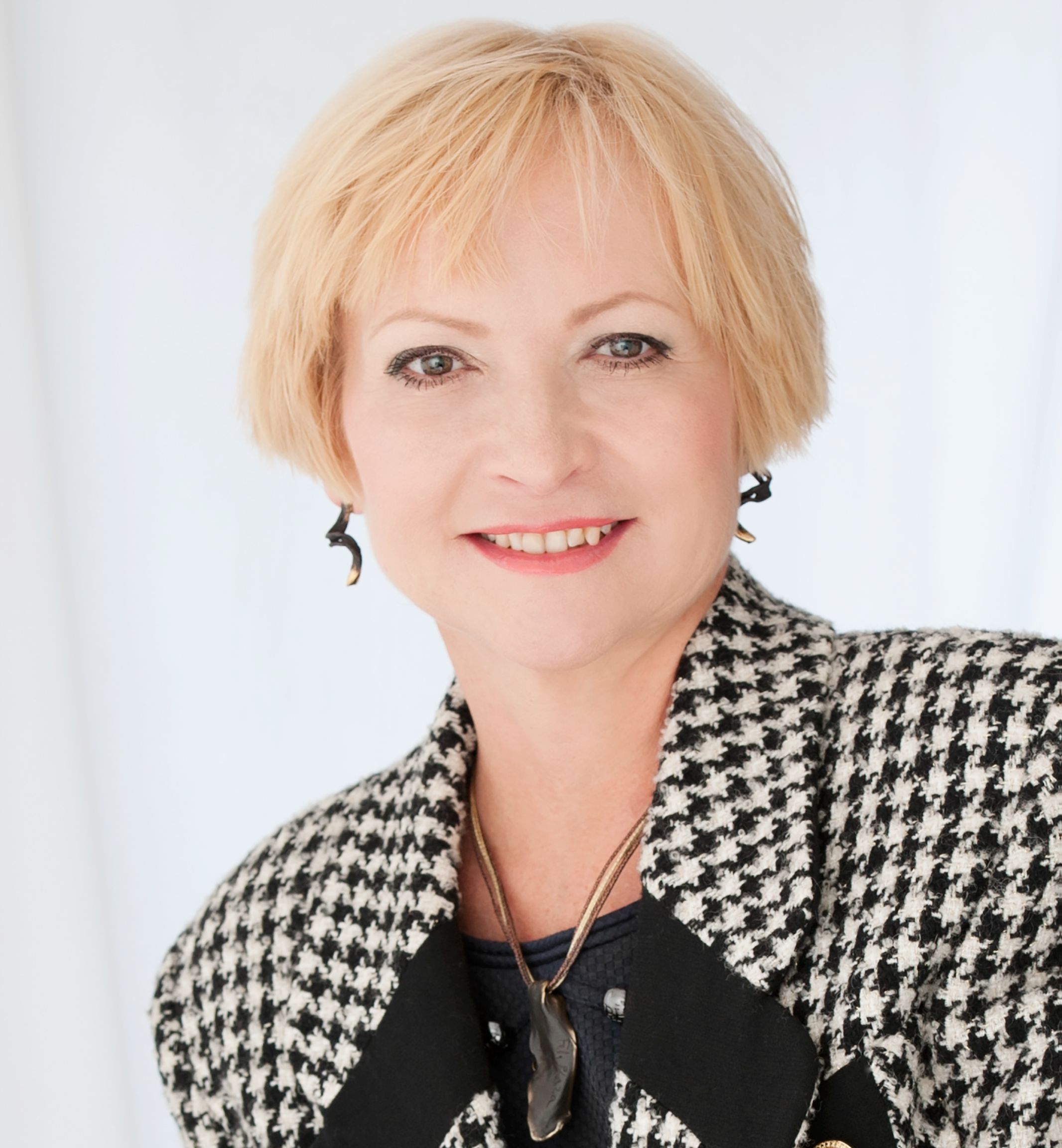
Member at-large: Elena Ivanova, RMIT University, Australia [elena.ivanova@rmit.edu.au]
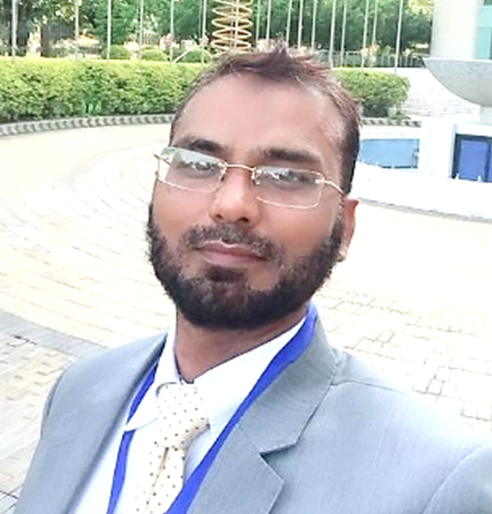
Member at-large: Iftikhar Ahmed, National Culture Collection of Pakistan [iftikhar.ahmed@parc.gov.pk]
His research focuses on microbial systematics, taxonomy, and microbial biotechnology, particularly the exploration of novel bacteria from diverse and extreme environments of Pakistan. He has described 34 novel species and three novel genera from diverse ecological habitats such as hot springs, deserts, and saline environments, contributing significantly to microbial diversity and systematics. His research focuses on the taxonomy and characterization of extremophilic and industrially significant microorganisms, including heavy-metal and halo-tolerant bacteria, plant growth-promoting rhizobacteria, and biocontrol strains.
Dr. Ahmed has been honored with several prestigious awards, including the PAS Gold Medal (2019) and Prof. A.R. Shakoori Gold Medal (2018), along with six Research Productivity Awards and the HEC Best Research Paper Award. He serves as Editor-in-Chief of The Bulletin of BISMiS and is a member of multiple scientific bodies, including the Bergey’s International Society for Microbial Systematics (BISMiS). With over 175 peer-reviewed articles, 18 book chapters, and supervision of numerous postgraduate scholars, Dr. Ahmed continues to make outstanding contributions to microbial taxonomy, systematics, and biotechnological applications.
Member at-large: Lorena Carro, University of Salamanca, Spain [lcg@usal.es]
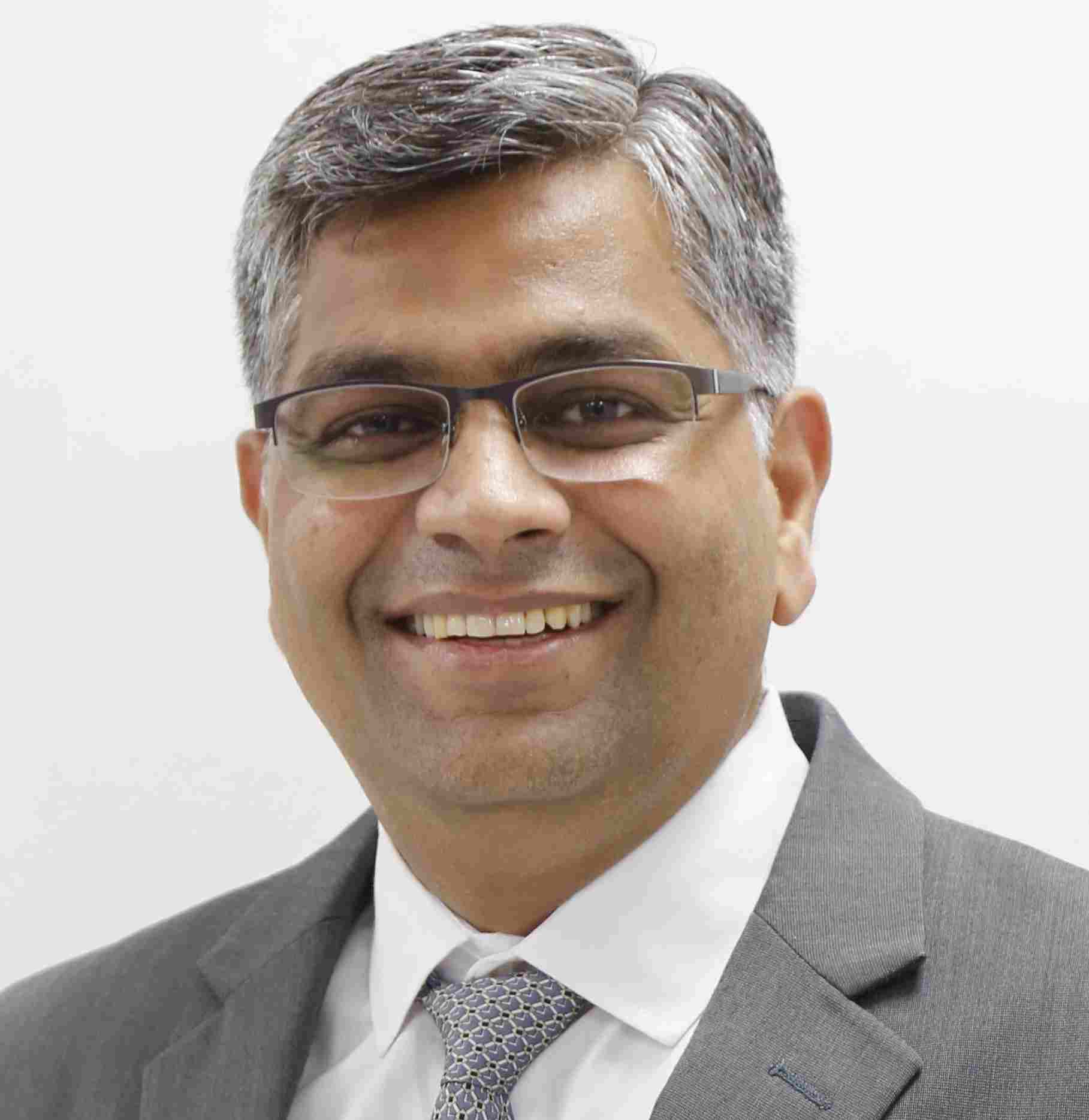
Service Member (Coordinator, BISMiS Live): Kamlesh Jangid, Agharkar Research Institute, India [jangidk@aripune.org]
A charter member of BISMiS, Dr. Jangid has served the society as Secretary (2014–2018), President-Elect (2018–2020), President (2021–2023), and currently as a member of the Executive Board. His presidency was marked by expanded global engagement, capacity-building initiatives, and the conceptualization of BISMiS Live, a flagship digital platform that connects microbial systematists worldwide and supports early-career researchers through mentoring and training. He is a Full Member of the International Committee on Systematics of Prokaryotes (ICSP) and Chair of the IUMS Committee of the Microbiologists Society, India, and serves on the editorial boards of leading international journals. Through his scientific leadership and community outreach, he continues to promote an inclusive, data-driven, and globally connected future for microbial taxonomy and systematics.
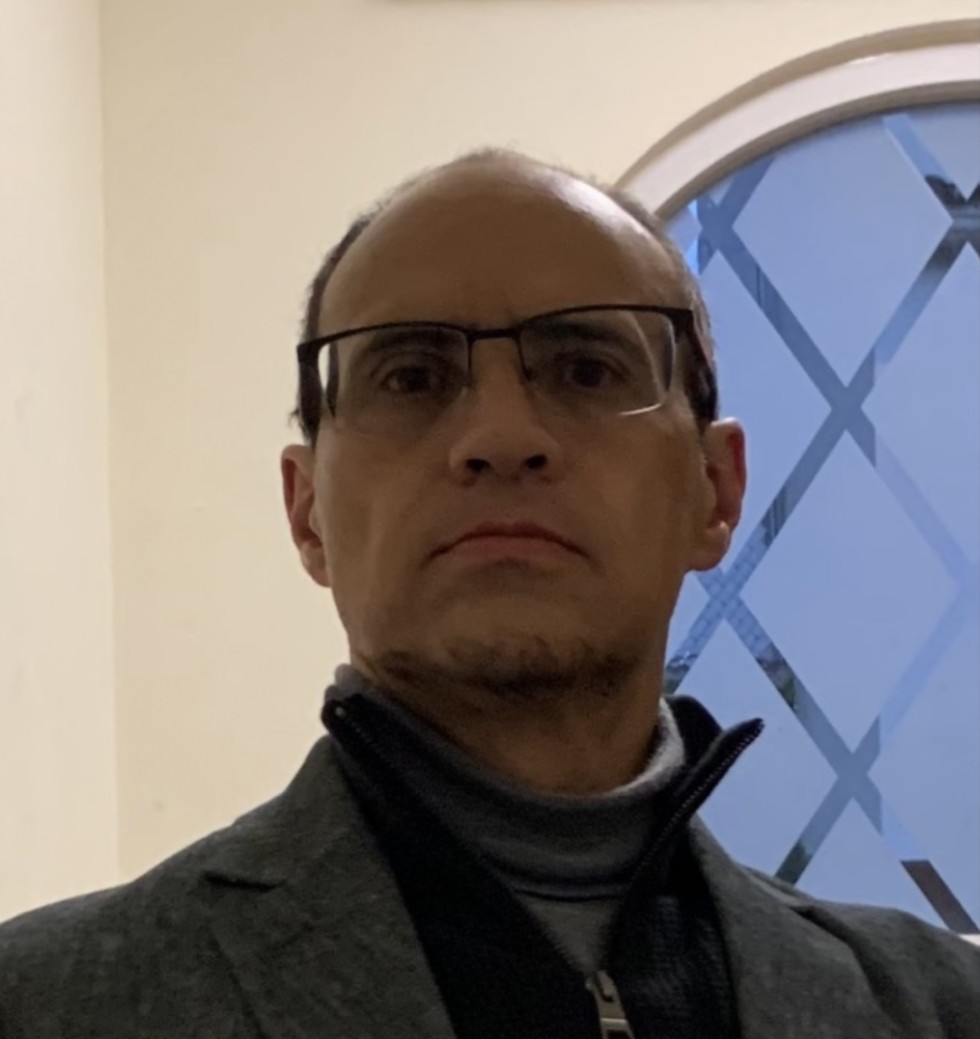
Service Member (Representing BISMiS at ICSP): Luis Ángel Maldonado Manjarrez, Universidad Nacional Autónoma de México, Mexico [lamaldo@quimica.unam.mx]
Our Past Presidents:
- James Staley, 2009 - May 2011
- Michael Goodfellow (resigned in favor of Fred Rainey), May 2011
- Fred Rainey, Jun 2011 - Apr 2014
- Brian Austin, May 2014 - Sep 2016
- Martha Trujillo, Oct 2016 - Apr 2018
- Iain Sutcliffe, May 2018 - Jul 2020
- Kamlesh Jangid, Aug 2020 - Nov 2023
Donations
The Society would be pleased to accept donations in support of its activities. Any such donations would be tax-deductible for US taxpayers as BISMiS is part of a non-profit trust [USA 501(c)3 tax entity].
Meetings
The meetings of BISMiS are held every two years and started in 2011 with its inagural meeting in Beijing, China, on 19-23 May 2011. See the BISMiS Meetings page for more details.
Publications
Members have access to The Microbial Taxonomist, the newsletter of Bergey's Manual Trust, and a new publication, The Bulletin of BISMiS. The Bulletin is sent to members immediately upon publication. It is then released for open access 6 months following publication. The Bulletin of BISMiS focuses on invited opinion articles, review articles, educational articles on methodologies, and invited autobiographies and biographies. Original research articles will not be published.
Constitution & Bylaws
The original constitution was approved on 18 March 2011, by a vote of the membership of 77% in favor, 0% against, and 23% not voting. Very recently, the membership adopted amendments to the constitution of BISMiS and its new Bylaws with a 100% in favor vote. The latest constitution and bylawys are effective from May 1st, 2023 and available online here and here, respectively.
Honorific Branch
One goal of the Society is to provide appropriate recognition to those who have made significant contributions to microbial systematics. The major reason for this is to acknowledge the importance of the recipient's contributions and to aid in their careers. In addition, this group of well-known systematists can serve as a powerful international voice in promoting the field of microbial systematics.